Jul 28, 2026Buying Guides
How to Control Kids Tent & Soft Play Cost, MOQ and Margin
kids play furniture manufacturing cost
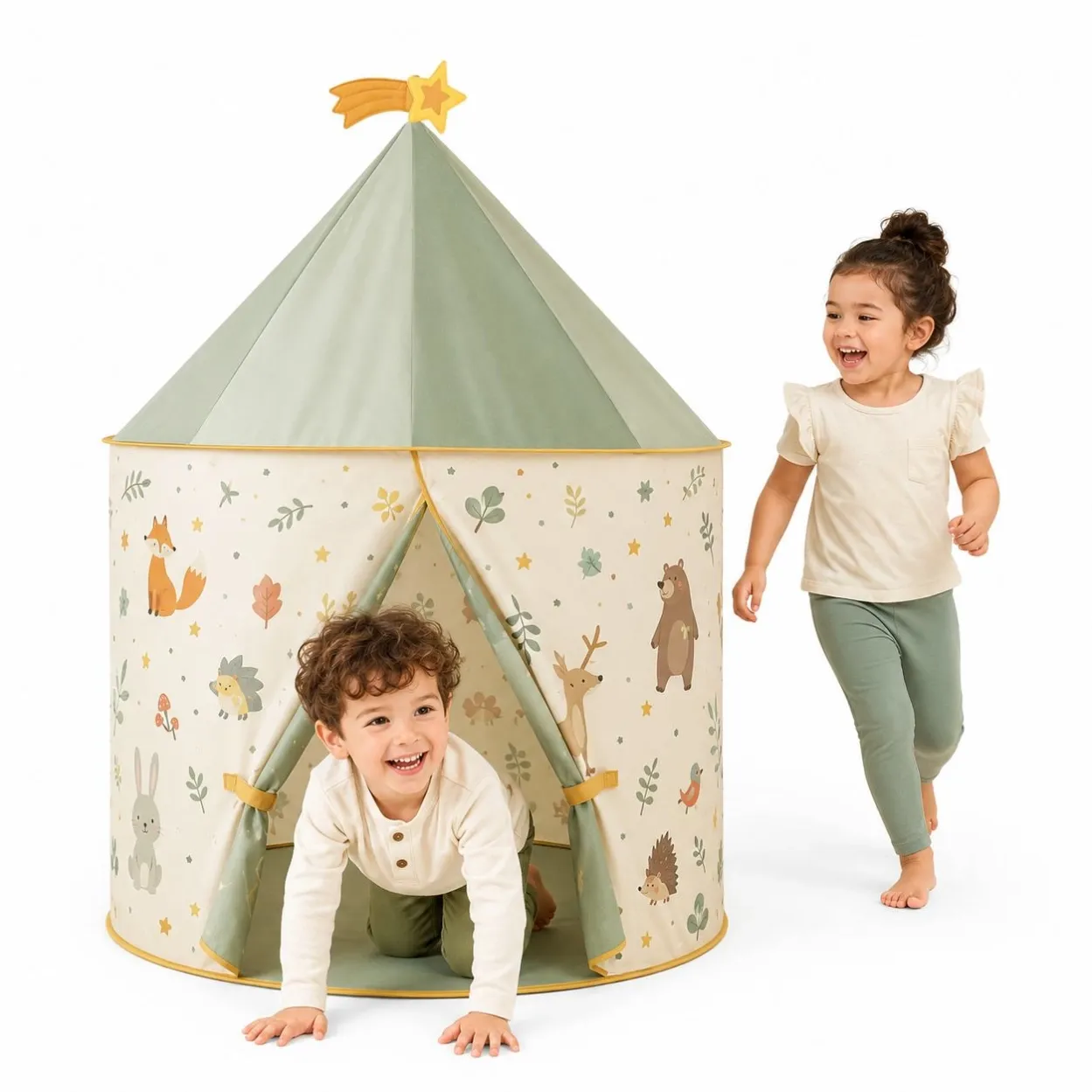
How to Control Kids Tent and Soft Play Manufacturing Cost, MOQ and Profit Margin
A children's teepee may look inexpensive until wood poles, printed fabric, accessories, packaging and freight are added. A modular play couch may appear profitable until foam specifications, cover fabric, vacuum compression, testing, carton volume and retailer margin are included.
This is why professional buyers do not control cost by repeatedly asking for a lower unit price. They control the complete commercial structure of the product.
For kids play tents, soft play furniture, foam climbing blocks, ball pits and playroom products, the final margin is shaped by five connected decisions:
- What the customer is willing to pay
- What product specification delivers the required value
- What quantity supports efficient production
- How the product is packed and shipped
- What testing and market-access work must be completed
TOPESS supports global brands, importers, retailers, wholesalers and e-commerce businesses with OEM and ODM development for children's play and lifestyle products. Our product range includes kids' tents and playhouses, modular play sofas, soft play sets, foam climbing products, ball pits, play mats, hanging seats, toy storage and related playroom accessories.
The most commercially successful projects usually define the target retail price and sales channel before the design is frozen.
Start With the Target Retail Price
The factory price is only one part of the commercial model. A buyer should work backward from a realistic retail price and include the margins required by every party in the sales chain.
Cost stage | Typical items included |
Product cost | Materials, cutting, sewing, assembly, printing and agreed packaging |
Development cost | Design work, custom sampling, revisions and special setup |
Compliance cost | Material checks, product testing, documents and inspection |
Landed cost | Product, freight, insurance, duties, customs and local handling |
Selling cost | Marketplace fees, warehousing, delivery, returns, promotions and marketing |
A direct-to-consumer seller, distributor and national retailer will not use the same margin model. Some channels also require promotional allowances, listing fees, local warehousing or higher return reserves.
If a modular play couch must retail at USD 199, the buyer should first determine the acceptable landed cost after retailer or marketplace margin. The manufacturer can then recommend a suitable foam construction, fabric, piece count and packing method.
Without this target, product development often moves in the wrong direction. The team may spend money on a fabric, accessory or oversized carton that the customer does not value enough to support.
What Determines the Cost of a Kids Tent or Teepee?
Kids tents are textile products with structural components, printing, sewing and packaging. Small specification changes can influence both manufacturing cost and freight.
Fabric composition and weight
TOPESS works with tent fabrics such as cotton, polyester, polyester-cotton blends, chino drill, Oxford fabric and coated polyester options. Different fabric weights and constructions create different results in appearance, durability, print performance, breathability, care and cost.
A lightweight polyester tent can support a value-focused or easy-storage range. A heavier cotton canvas or blended fabric may create a more premium appearance but also increases product weight and carton cost. The choice should match the brand position and intended use.
Wooden pole material and finish
Poplar and white pine poles are available for different visual and commercial requirements. Sanded natural poles may suit a simple Scandinavian look, while a sealed finish creates a more finished surface and can make routine wiping easier.
Pole diameter, length, finish, connector design and packaging protection all affect the cost. Reducing pole quality may save money at quotation stage but can create stability, surface or customer-review problems later.
Size and structure
A larger tent uses more fabric, longer poles and a larger carton. Windows, doors, floor mats, pockets, flags and decorative panels add cutting and sewing operations.
Foldable or pop-up structures can improve convenience, but they require suitable components and packing methods. The buyer should decide which functions directly support the product's selling point.
Printing and color development
Solid fabric, simple screen printing, heat transfer and full custom patterns have different setup and quantity requirements. More colors and larger printed areas can increase cost and make consistency more demanding.
An effective brand design does not need unlimited colors. A controlled palette can reduce complexity and make the collection more recognizable.
Accessories
Cushions, mats, lights, banners, storage bags, decorative garlands and role-play accessories can increase perceived value. They also add materials, labor, packing volume and compliance considerations.
Include accessories that improve the buying reason. Remove items that only make the specification longer.
What Determines the Cost of Soft Play Furniture?
Soft play products are driven by a different set of cost factors. A modular sofa or foam climbing set is not simply fabric sewn around a block.
Foam type, density and resilience
Foam influences support, comfort, recovery, long-term deformation and compression-packing performance. A lower-cost foam may feel acceptable in a new sample but lose shape after repeated loading.
The correct specification depends on the product's intended age, function, size and use environment. Sitting, climbing, building and commercial play create different performance demands.
TOPESS can coordinate compression, drop, tip-over and other structural checks according to the product and project requirements.
Number and shape of modules
Every additional cushion, wedge, arch or block creates more foam cutting, cover panels, zippers, sewing, inspection and packing work.
More pieces can create stronger play value, but only when the pieces form useful configurations. A well-designed six-piece couch may be more attractive than a larger set with repetitive shapes.
Cover fabric
TOPESS offers fabrics for soft furniture including brushed velvet, corduroy, jersey cotton, microfiber fleece, polyester velvet, PU leather, short plush, suede and teddy velvet.
Each fabric has a different balance of texture, appearance, care, abrasion resistance, washability and cost. For example:
Fabric direction | Commercial advantage | Points to confirm |
Microfiber fleece | Practical, soft and suitable for frequent use | Abrasion, colorfastness and washing instructions |
Corduroy | Recognizable ribbed texture and warm home style | Pile direction, cleaning and seam appearance |
Polyester velvet | Soft premium look at a practical price level | Color consistency and care requirements |
PU leather | Wipe-clean surface for nurseries or commercial spaces | Odor, surface durability and material compliance |
Teddy velvet | Cozy, high-impact visual style | Dust, pile behavior and cleaning expectations |
The most expensive fabric is not automatically the best. The correct fabric is the one that supports the target customer, price and use environment.
Removable covers, zippers and seams
Removable washable covers can be a strong selling point, but they require reliable zipper construction, accurate fit and clear care instructions. Seam strength also matters because children pull, climb and rearrange the pieces.
TOPESS uses seam tension, tensile and torque-related checks where relevant to evaluate critical construction details before shipment.
Vacuum compression and recovery
Soft play products take up significant volume. Compression packaging can reduce freight and warehouse space, but the foam must recover correctly after opening.
Compression ratio, storage time, temperature, foam grade and customer instructions all matter. The lowest-volume package is not useful if the product does not recover to the approved dimensions.
Why Does MOQ Vary by Product?
MOQ is the quantity needed to make material purchasing, printing, cutting, sewing, foam processing, packaging and production setup commercially workable.
TOPESS states that selected products can begin around 50-200 units, but the final MOQ depends on the design and customization. A standard fabric color with existing packaging is different from a custom printed tent or a new multi-piece foam sofa with a special cover.
Important MOQ drivers include:
- Minimum fabric or foam purchasing quantities
- Custom dyeing or printing setup
- Number of colors and sizes
- Zipper, label and accessory requirements
- Custom carton and insert quantities
- Testing and documentation needs
- Production-line setup and labor efficiency
Buyers get better results when they ask, "Which part of the specification is driving the MOQ?" This creates options. A color, print, component or box can sometimes be adjusted without weakening the main product idea.
How to Lower MOQ Without Weakening the Brand
Start with existing structures
Use a proven tent, sofa, ball pit or soft play structure and customize the visible brand elements. This reduces structural development and helps the first order move faster.
Use standard material colors for the first launch
Existing fabric colors normally create less setup than a custom-dyed material. The brand can still differentiate through color combinations, labels, packaging and product photography.
Build one coordinated collection
A play tent, floor cushion and storage basket may share a color and fabric story. A modular couch, ball pit and climbing blocks may share cover materials. Coordinated products can improve purchasing efficiency and create a stronger retail presentation.
Validate with a smaller number of SKUs
Do not divide the first order across too many colors and styles. Concentrating volume in the strongest options improves production efficiency and makes marketing easier.
Show a realistic reorder plan
Provide the sales channel, launch date, forecast and expansion logic. A serious plan helps the manufacturer recommend an efficient first-order structure.
Nine Ways to Control Cost Without Making the Product Look Cheap
1. Protect the hero benefit
Decide whether the product is selling imaginative play, active movement, calm reading space, flexible seating or a complete playroom solution. Protect that benefit first.
2. Reduce unnecessary modules
Every foam piece or tent accessory should create a clear play configuration or customer benefit.
3. Use a disciplined color system
Three coordinated colors can look more premium than eight unrelated colors and are easier to control in production.
4. Match material to use
Do not use a delicate premium fabric for a product marketed to high-traffic daycare areas. Do not pay for wipe-clean PU if the customer wants a soft washable home sofa.
5. Simplify hidden construction
Standardize internal components and invisible details where this does not affect safety, durability or customer experience.
6. Design packaging and product together
Tent pole length, foam compression, module arrangement and carton strength directly affect freight. Packaging should be discussed during design, not after the product is finished.
7. Control sample revisions
Create a written brief covering dimensions, materials, colors, functions, logo, labels and packaging. Consolidate feedback into planned revision rounds.
8. Freeze the approved specification
Use an approved sample, bill of materials, color references, artwork files and packing instructions as the production baseline.
9. Compare complete quotations
Confirm whether the price includes sample fees, print setup, labels, packaging, testing, inspection, compression packing and export terms.
Packaging Can Change the Profit More Than the Unit Price
Freight for kids tents and soft play furniture is strongly influenced by carton dimensions and chargeable volume.
For tents, review:
- Folded fabric dimensions
- Pole section length
- Accessory arrangement
- Retail box versus carry bag
- Master-carton quantity
- Carton protection for wooden poles
For foam products, review:
- Compression ratio
- Module nesting
- Carton dimensions and gross weight
- Recovery instructions
- Individual carton versus multi-pack shipment
- E-commerce parcel requirements
A USD 1 product-cost saving can be cancelled by a larger carton. Buyers should compare cost per sellable unit delivered to the destination warehouse.
Build a Landed-Cost and Margin Sheet
Before placing the purchase order, include:
- Product and packaging cost
- Design and sampling
- Printing or special setup
- Testing and inspection
- Freight and insurance
- Duties, taxes and customs charges
- Warehousing and fulfillment
- Marketplace or retailer fees
- Returns and damaged-product allowance
- Promotions and markdowns
- Currency and freight buffer
Test the margin at normal retail price and promotional price. A product that only works when every unit sells at full price is commercially fragile.
Why Work With TOPESS on Cost Engineering?
NINGBO TOPESS IMP&EXP CO., LTD supports product development from concept and material selection through sampling, testing coordination, production, inspection and shipment.
TOPESS can help buyers compare:
- Tent fabrics, weights and wooden pole options
- Foam structures and module combinations
- Soft furniture cover materials
- Foldable, modular and transformable designs
- Custom colors, patterns, labels and packaging
- Compression and carton solutions
- Testing plans for the target market
- Lower-risk first-order structures
The objective is not to make every product as cheap as possible. It is to create a product that fits the target customer, sales channel, margin and brand position.
Frequently Asked Questions
What is the MOQ for custom kids tents or soft play furniture?
It depends on the product and customization. Selected TOPESS products may start around 50-200 units, while custom printing, special materials, new foam structures or custom packaging can require a different MOQ.
How long does a custom sample take?
TOPESS states that concept and sample development can commonly take around 7-15 days depending on complexity, materials and revision requirements. Confirm the schedule for the specific project.
Does a larger order always create more profit?
No. A larger order can reduce unit cost, but slow inventory increases storage, discounting and cash-flow risk. Increase quantity only when demand or a realistic distribution plan supports it.
Can vacuum packing reduce soft play freight?
Yes, but the foam, compression method, packing duration and recovery instructions must be validated. Freight savings should not create recovery or customer-service problems.
Should I choose the lowest quotation?
Compare materials, construction, testing support, packing method, inspection, delivery reliability and landed cost. An incomplete low quote can become the most expensive option.
Start With a Target Price and a Clear Product Brief
Send TOPESS your product type, target age, destination market, sales channel, required retail price, expected quantity, material preference and reference images. Our team can recommend a practical development route for a kids tent, modular play couch, soft play set, ball pit or coordinated playroom collection.
Suggested internal links: