Jul 28, 2026Case Study
How to Build a Private Label Kids Play Brand That Sells
Build a private label kids play brand that sells with the right audience, hero product, design system, materials, packaging and OEM/ODM partner.
How to Build a Private Label Kids Play Brand That Actually Sells
Adding a woven label to a play tent or printing a logo on a modular sofa carton creates a private label product. It does not automatically create a brand.
A brand exists when customers can quickly understand who the product is for, what problem it solves, why it is different and why they should trust it.
For children's indoor play products, the complete customer experience includes:
Product function and play value
Size, comfort and materials
Color and visual identity
Safety and age suitability
Cleaning, assembly and storage
Packaging and instructions
Photography, video and retail presentation
Customer support after purchase
TOPESS works with brands, importers, retailers, wholesalers and e-commerce businesses to develop kids' tents, playhouses, modular play sofas, soft play sets, foam climbing products, ball pits, play mats, toy storage and complete indoor play solutions.
The strongest projects combine the buyer's market knowledge with the manufacturer's design, material, sampling and production experience.
Choose the Right Private Label Development Route
Private label development does not need to begin with the most complex option.
Route Speed Differentiation Best for
Existing product Fast Low to moderate Testing a category or new sales channel
Color, label and packaging customization Medium Moderate Building a focused first collection
Structural product upgrade Medium to longer High Improving a proven market concept
Full ODM development Longest Highest Creating a strategic or exclusive range
A new brand may begin with an existing tent structure in original colors and packaging. After validating the price and customer response, it can move into custom prints, accessories or a coordinated playroom collection.
An established retailer may have enough sales data to begin with a custom modular sofa configuration or complete room solution.
Step 1: Define a Specific Customer and Use Environment
"Families with children" is too broad.
A useful customer profile sounds more like this:
Design-conscious parents of children aged two to six who live in apartments, want an attractive indoor play area and need furniture that can support both active play and everyday seating.
Or:
Nursery and daycare operators who need wipe-clean, durable soft play products with clear setup instructions and replacement-cover options.
These customers require different materials, colors, sizes, product claims and price points.
Before selecting a product, answer:
Who buys the product?
Who uses it and in what age range?
Is the main environment a home, daycare, school, hotel or commercial play area?
What space and storage limitations exist?
What cleaning behavior does the customer expect?
What price range is credible in the channel?
What customer problem does the product solve better than alternatives?
Step 2: Choose One Brand Promise You Can Deliver Consistently
A focused promise guides product selection and prevents a random catalog.
Possible directions include:
Calm, design-led playroom products for modern homes
Flexible soft furniture that changes from seating to active play
Compact indoor play solutions for smaller spaces
Wipe-clean products for nurseries and commercial children's areas
Imaginative tent and role-play collections with coordinated themes
Complete playroom sets that simplify buying for retailers and families
The promise should be visible in product function, not only in marketing language.
If the brand promises easy-care products, removable covers, appropriate fabric and clear washing instructions matter. If it promises flexible play, the modules must create useful configurations. If it promises responsible materials, the claims must be accurate and supported.
Step 3: Lead With a Hero Product
A new private label brand often launches too many unrelated products. This divides inventory, photography, advertising and customer attention.
Choose one hero category that can explain the brand in a single image.
Strong options for TopEssKids customers include:
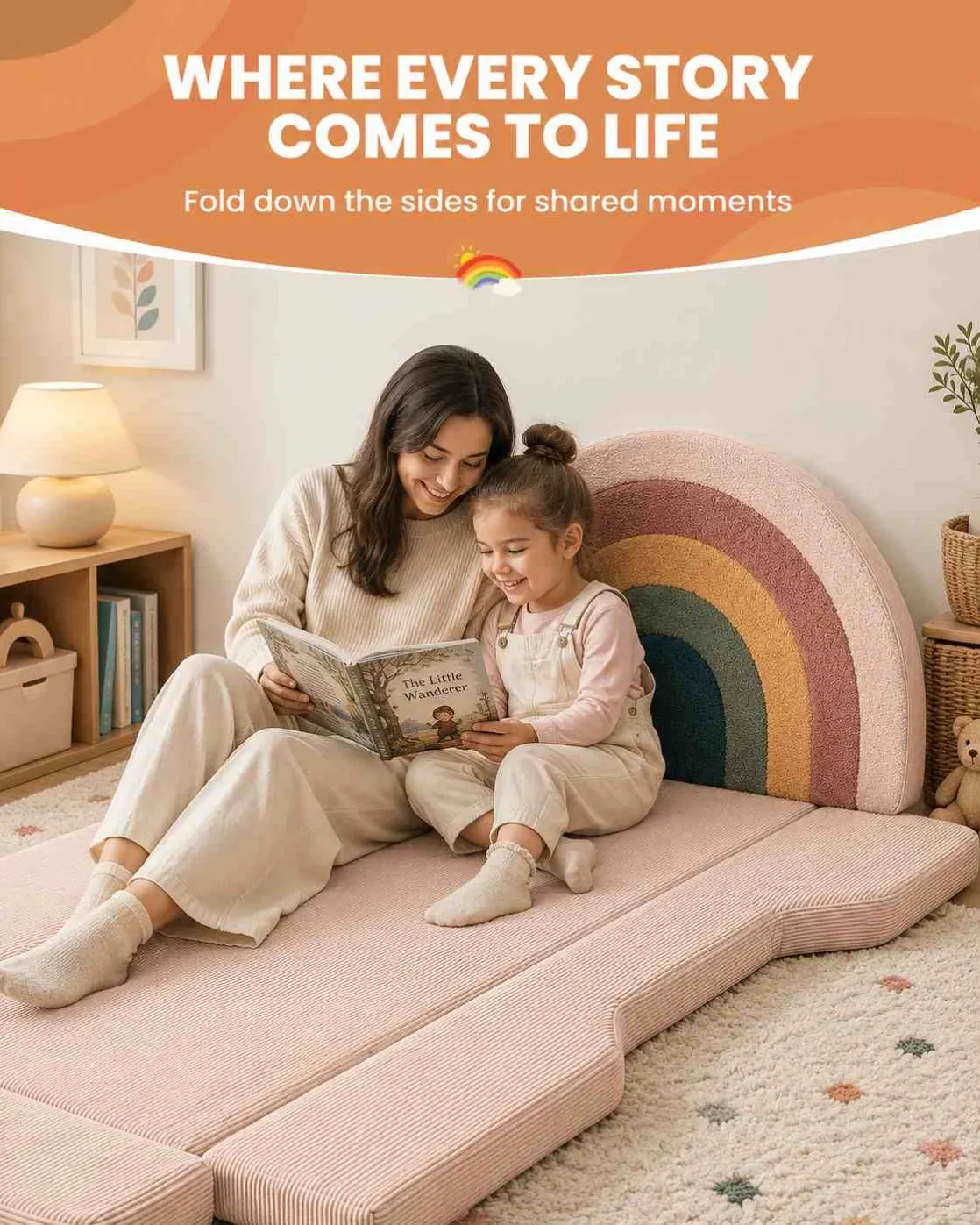
Modular play couch
This can position the brand around flexible seating, building, reading, lounging and active indoor play. Follow-on products can include ottomans, wedges, replacement covers, ball pits and climbing blocks.
Kids teepee or playhouse
This can position the brand around imaginative play, reading corners and decorative children's spaces. The collection can expand into cushions, storage baskets, canopies, tunnels and role-play accessories.
Soft play climbing set
This can position the brand around movement, motor skills and home playroom design. Expansion can include mats, ball pits and modular obstacle components.
Complete playroom collection
For established buyers, a coordinated tent, sofa, storage and soft play system can create a strong retail story and higher order value.
The hero product should pass five tests:
1.The customer benefit is easy to explain.
2.The product looks recognizable in one image.
3.The landed cost supports the target margin.
4.Packaging and delivery are commercially practical.
5.The concept can expand into related products.
Step 4: Create Meaningful Product Differentiation
Private label buyers do not always need to invent a completely new category. They need to combine meaningful choices into a recognizable system.
Structure and function
TOPESS develops foldable, modular and transformable structures for tents, soft play sofas, ball pits, EVA mats, toy storage and role-play products.
Ask:
Can the product support more than one valuable use?
Can parents assemble, move or store it more easily?
Can modules create clear play configurations?
Can covers or accessories be replaced?
Can the product fit smaller homes or retail cartons more efficiently?
Material direction
Material should support both the brand promise and the real use environment.
A Scandinavian-inspired home collection may use neutral corduroy, microfiber or cotton-rich tent fabrics. A nursery range may prioritize wipe-clean surfaces and high-use durability. A gift-focused teepee may use heavier fabric, finished poles and coordinated accessories.
Color and pattern system
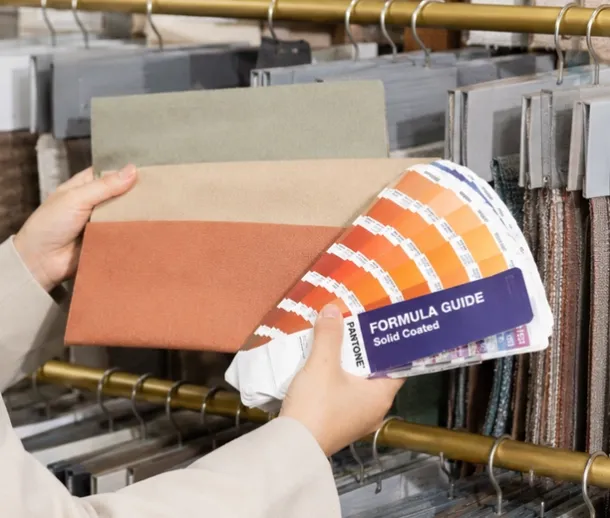
TOPESS can support Scandinavian neutrals, soft pastel tones, brighter American-style colors and custom pattern development.
A strong collection usually uses a repeatable palette. The colors should work across hero products, accessories, packaging and lifestyle images.
Play value
Design for the activity the child will actually perform: building, climbing, reading, hiding, role play, relaxing or organizing.
Avoid adding features only because they look impressive in a specification sheet.
Step 5: Build a Collection, Not a Random Catalog
A collection creates cross-selling and makes the brand easier for retailers to present.
Brand direction Hero product Logical extensions
Calm reading corner Teepee or canopy Floor cushion, book storage, play mat
Active indoor play Foam climbing set Foldable mat, ball pit, tunnel
Flexible family room Modular play couch Ottoman, wedge, replacement cover
Imaginative role play Playhouse tent Tablecloth tent, accessories, storage
Complete playroom Coordinated soft furniture Tent, sofa, mat, storage and decor
Shared materials and colors can also improve production and content efficiency. One lifestyle shoot can present several connected products in the same room.
Step 6: Treat Packaging as Part of the Brand
Packaging must protect the product, communicate value and carry the required information.
The front of the package should answer:
What is the product?
What age or use stage is it intended for?
What is the main benefit?
How does it connect to the brand?
The remaining panels may need:
Product dimensions and contents
Assembly and care information
Age grading and warnings
Material information
Product identification and traceability
Manufacturer, importer or responsible-party details
Market-specific compliance information
Disposal or recycling information where appropriate
For compressed foam products, packaging should also explain opening, safe use and recovery time. For tents, diagrams and assembly steps reduce customer-service problems.
Do not leave the packaging until after the product is approved. Carton size, pole length, foam compression and label space should be considered during development.
Step 7: Validate the Product Before Scaling Inventory
Market validation should test the exact combination of product, price, message and channel.
Useful methods include:
Starting with an existing structure and a limited color range
Showing concepts to retail buyers or distributors
Testing product images and realistic prices with advertising
Collecting structured feedback on a sample
Comparing which functions generate qualified inquiries
Launching a small number of SKUs instead of a broad range
Reviewing return reasons and customer questions before the reorder
Compliments are useful, but commercial behaviors matter more. Look for sample requests, pre-orders, retailer interest, conversion, sell-through and repeat purchase.
TOPESS supports selected lower-volume starting quantities, commonly around 50-200 units depending on product and customization. This can help qualified buyers test a focused product direction before expanding.
Step 8: Price for the Position You Want
Price sends a signal. A premium-looking play couch at an unusually low price can reduce trust. A high price without visible material, design or service value will reduce conversion.
Include:
Product and packaging cost
Design and sampling allocation
Testing and compliance
Freight, duties and warehousing
Marketplace or retailer margin
Promotions and returns
Photography and content
Customer support and replacement parts
Future development budget
The objective is not the highest possible price. It is a credible price supported by the delivered experience.
Step 9: Prepare the Sales Assets Before Production Finishes
TOPESS can provide basic visual support for qualified projects, including white-background images, lifestyle images, detail shots and scene ideas.
A complete launch pack may include:
Product and lifestyle images
Configuration or function videos
Assembly and recovery videos
Dimensions, materials and carton data
Care instructions
Product benefits written for the target customer
Retail line sheet or digital catalog
Marketplace titles, bullets and descriptions
Frequently asked questions
Appropriate testing and material information
For modular products, show several real configurations. For tents, show scale, interior space, assembly and decorative details. Customers need to understand the product before they can value it.
Step 10: Use Customer Feedback to Improve the Second Order
Track:
Sell-through by SKU and color
Gross margin after discounts
Return and damage reasons
Review themes
Assembly or recovery questions
Most-used configurations
Retailer and distributor feedback
Inventory weeks on hand
The second order should be better than the first. Improvements may include a stronger zipper, clearer instructions, a different foam feel, a better carton, an updated color or a complementary product.
Common Private Label Mistakes
Copying the appearance of a competitor
This creates weak differentiation and possible intellectual-property risk. Use customer insight and original development instead.
Choosing fabric only from a small swatch
Review the fabric on a complete sample. Texture, pile direction, seam appearance, stretching and cleaning behavior are easier to judge on the final structure.
Adding too many colors in the first order
Each color divides volume and marketing attention. Begin with the strongest palette.
Confusing more pieces with more value
Every module must create a useful function. Unused pieces increase cost and storage.
Treating safety as a slogan
"Child-safe" is not a substitute for product-specific material review, structural assessment, testing, instructions, warnings and quality control.
Assuming manufacturing creates demand
The supplier creates the product. The brand must create customer awareness, retail distribution and repeat purchase.
Why Use TOPESS as an OEM/ODM Development Partner?
NINGBO TOPESS IMP&EXP CO., LTD is positioned as a development and manufacturing partner for children's play and lifestyle products.
TOPESS supports:
Concept and product-direction discussion
Play-driven structural design
Production-focused engineering
Child-centered function development
Color, fabric and pattern selection
Sampling and revision support
Testing and compliance coordination
Mass production and quality inspection
Packaging, shipment and after-sales support
Basic e-commerce and launch-content support
This one-stop process helps buyers turn a product idea into a practical collection that can be produced, tested, shipped and sold.
Frequently Asked Questions
Can I start a private label kids brand with an existing product?
Yes. Existing tent, sofa, ball pit or soft play structures can reduce development time. You can build differentiation through selected colors, covers, labels, packaging and a focused brand story.
Do I need a completely unique product?
No. Clear audience, strong curation, recognizable materials, useful functions and consistent content can differentiate a range. Structural improvements can be added after demand is validated.
What information should I send to TOPESS?
Share the product type, intended age, destination market, sales channel, target retail price, estimated quantity, preferred materials, colors, required functions, packaging needs and launch date.
How many SKUs should I launch?
There is no universal number. Launch only as many SKUs as you can support with inventory, photography, listings, advertising and customer service. A small coordinated collection is usually stronger than many unrelated products.
Can TOPESS help with images and product videos?
TOPESS states that basic white-background photos, lifestyle images, detail shots and simple scene ideas can be discussed as part of qualified development projects.
Build the Brand Before You Build the Inventory
The target customer, hero product, brand promise, material direction, packaging and launch assets should be decided before mass production.
Send TOPESS your market, customer profile and initial idea. Our team can help you compare an existing product, selected customization, structural upgrade or full ODM route for kids tents, soft play furniture and complete indoor play solutions.
CTA: Discuss your private label project with TOPESS
Suggested internal links:
Explore kids play tents and playhouses
Explore soft play furniture
See playroom accessories
Review complete indoor play tent sets
See soft foam playroom solutions
Review TOPESS OEM and ODM support